A Historic Apology in Victoria
Words are just the beginning: a genuine foundation for structural reform or a symbolic gesture overshadowed by ongoing decisions that increase injustice?
On 9 December 2025, the Parliament of Victoria held a special sitting in which the state delivered a formal apology to First Peoples. The Hub team watched on with friends and colleagues and would like to thank those who joined us for this moment.
As Victorian Premier Jacinta Allan acknowledged in her speech,
decisions made in this Parliament over its history have long denied the First Peoples of this land their rights and their self-determination.
The apology was intended to recognise the harms inflicted through state policies: dispossession; forced removal of children; suppression of culture, language and identity; systemic discrimination and institutional injustice.
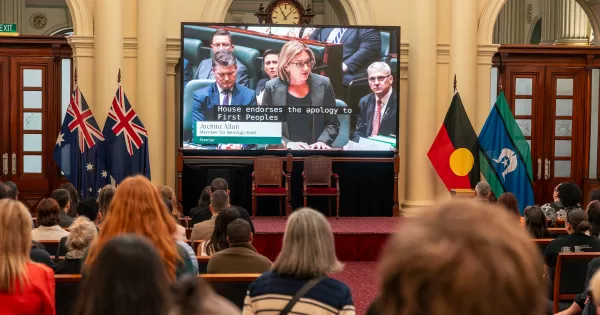
This apology, shaped by the findings of the Yoorrook Justice Commission, which documented centuries of injustice against First Peoples in Victoria, was also marked by tension.
During the Apology motion, Greens Leader Ellen Sandell addressed the chamber and praised the apology as vital and a necessary acknowledgement of the deep and lasting injustices inflicted on First Peoples. But more importantly, she also issued a sharp warning, pointing out that just a week earlier the Victorian Parliament had passed new youth justice laws that risk deepening harm, especially for First Nations youth.
Sandell warned that while the apology is meaningful, the recent reforms “are expected to increase the number of First Nations children in prison”. She also bravely cautioned the Premier that future generations may well demand another apology for the consequences of these new brutal youth justice policies. In her words: the day of apology must not become “just another act” in a cycle where deep violence and injustice are inflicted anew.
Yoorrook Justice Commission’s Call for Acknowledgement
In July 2025, the Yoorrook Justice Commission delivered its final reports: Yoorrook for Transformation that focused on land and social injustices, and Yoorrook Truth be Told as the Official Public Record of colonial and continuing injustices in Victoria.
One of its fundamental recommendations was that the state recognise responsibility, laws and policies that contributed to systemic injustices, and express an apology and commitment to a new relationship. The apology is tied to the newly legislated statewide treaty: by embedding it within the treaty framework, the state signals that this is not a standalone gesture but part of a broader plan to change how Victoria acknowledges and responds to its past, and to enable future justice and reconciliation.
Words are Just the Beginning
This moment is historic for Victoria and for Australia. For decades, much of the colonial violence and dispossession faced by First Peoples was ignored or denied in official histories and politics. By delivering an apology, the Victoria Government takes a public, formal step toward acknowledging history and the enduring impact of colonisation.
However, the tension highlighted by Greens leader Ellen Sandell is shared by many, including the Hub, and we commend her for taking a strong stance in this historic moment.
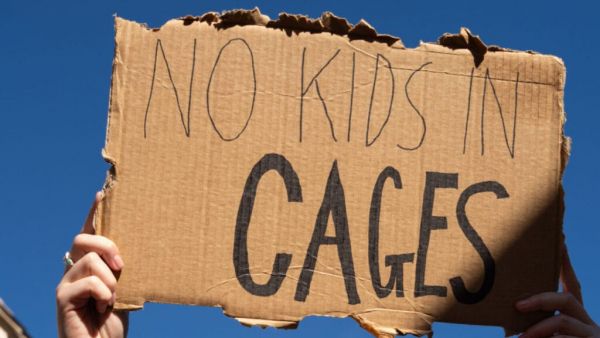
The Hub maintains that criminal justice reforms should focus on prevention, support, and rehabilitation. Harsher sentencing only continues the cycle of incarceration, especially in communities already burdened by the legacy of colonisation.
Words are only the beginning. The 100 recommendations from the Yoorrook Commission demand structural change across multiple sectors: justice, child protection, land rights, housing, education, economic opportunity. The apology and the framework of the treaty create a pathway forward and they offer all Victorians a chance to work towards truth, respect, and a shared future.
The potential for this moment to translate into meaningful reform rests on Victoria’s willingness to fully implement Yoorrook’s 100 recommendations, to reassess the impact of its current youth-justice framework, and to ensure that the Treaty process delivers genuine power, resources and self-determination to First Peoples.
For now, the apology stands as a recognition, and hopefully the beginning of structural change.