Coming to Australia? Hub intern Taylor shares her Indigenous student abroad experience
Hub intern Taylor Broadbent shares her Indigenous student abroad experience and advice.
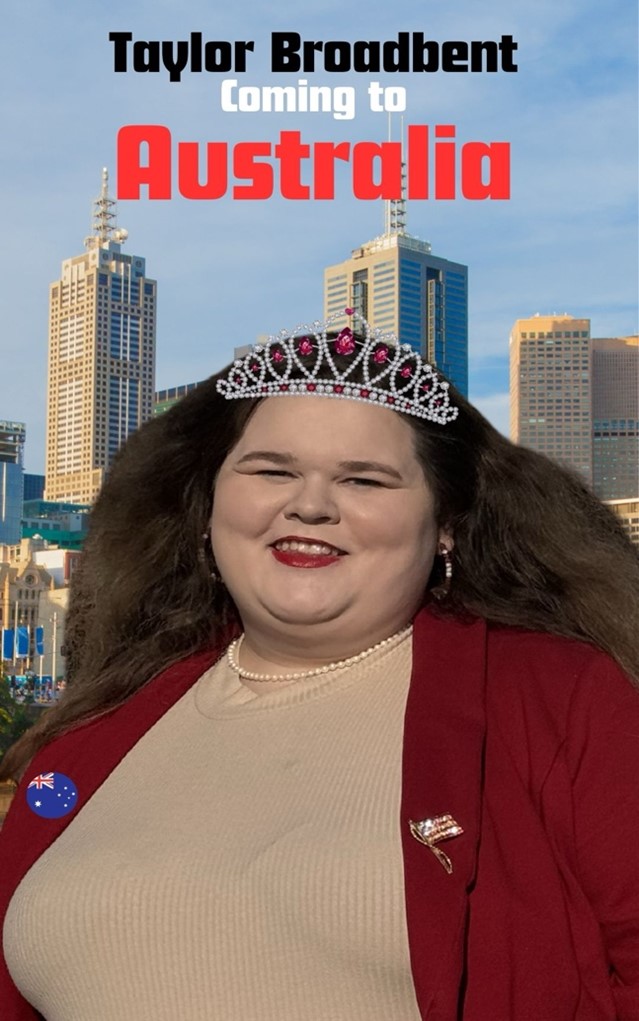

ᎣᏏᏲ ᏓᏆᏙᎠ (Osiyo dagwadoa) Taylor ᏗᏣᎳᎩ (Dijalagi). Hi, my name is Taylor and I am a citizen of the Cherokee Nation, interning at the Hub this semester. I am currently studying my Masters of Public Policy and Management at the University of Melbourne. I hold a Bachelors of Arts in Letters from the University of Oklahoma, my home state’s flagship University. I have had a unique journey as an Indigenous and International student. I wanted to write this piece in the newsletter to give three pieces of advice to any Indigenous students considering spending some time abroad.
1. Lean into missing your home and your culture.
There is no way to sugarcoat the fact that you are going to miss home. Whether it’s food, community, family, or culture, you are going to long for the things you took for granted. That’s when it’s time to lean in: tell people about what you miss. Talking about my culture, my community, and my family has led to some of the best cultural exchange conversations I have had on my journey in Australia.
2. Being Indigenous is a vastly different experience at every institution.
One of my biggest culture shocks came with the Indigenous Experience at the University of Melbourne. The University of Oklahoma has a large Indigenous presence on our campus, mostly because of its location as the state that is home to 39 Federally Recognized Tribal Nations. I took for granted the fact that I was rarely the only Indigenous person in any of my classrooms and that many (if not most) of my professors were Indigenous, and my non-Indigenous professors had taught Indigenous students for many years. I quickly learned that would not be the case at the University of Melbourne, where often I am the only Indigenous person in the room. That was a very difficult adjustment for me and made me feel very lonely during my first semester on campus.
My advice to other Indigenous Students in this space is to reach out to the Indigenous Hubs at the universities where you will be studying abroad long before you decide where you will be attending. Murrup Barak provides this service to any Indigenous Students considering studying abroad, and I encourage you to take advantage of it. I wish I had reached out earlier when I first arrived in Melbourne because Murrup Barak has provided me with so much community and opportunity since I reached out to them.
3. Take the opportunity to use your experiences to make connections and make change.
We are our ancestors’ greatest dreams. They advocated, sacrificed, and survived so that we could have the amazing opportunities we have. I constantly have to remind myself of this amazing fact that I have an obligation to give back to my community and to uplift and break barriers for other Indigenous students. One of those ways for me has been using this opportunity to advocate and inspire ideas here In Australia through my work at the Hub, my input in my classrooms about my Indigenous perspective, my role at the Graduate Student Association, and my conversations with other Indigenous and non-Indigenous students. These connections often remind people that Indigenous policy can look different, Indigenous peoples have success stories, and there is a brighter future ahead for each of our communities because we all rise together.
Indigenous peoples around the world are each other’s strongest allies, each other’s strongest motivators, and each other’s strongest success stories. I am incredibly blessed to be part of strengthening our ties and allyship across the world, and I hope that this article inspires you to also take the greatest leap of faith and explore somewhere new and build those connections for you and your people.