Projects
Current
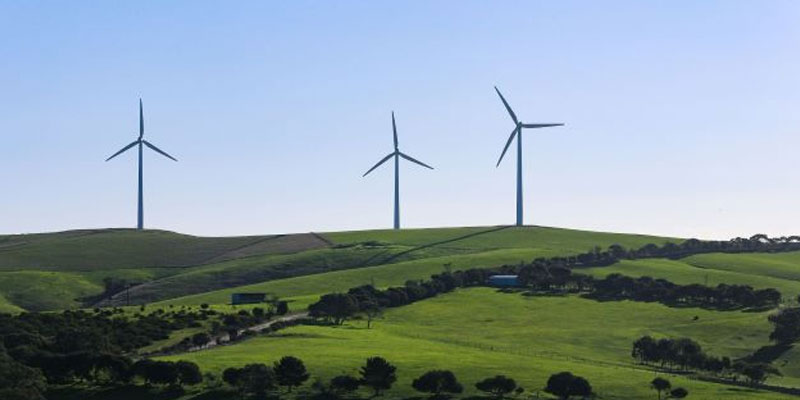
Advancing Investor Action on Energy Transition
Funded by an Australian Research Council Discovery Project grant (DP220100124) for 2022-2025, this project aims to advance action by investors (debt and equity) to increase finance for low-carbon energy sources that reduce fundamental climate risks.

Property as Habitat: Reintegrating Place, People and Law
The project aims to produce an original account of property law that will connect it to place and human relationships, using innovative analytical techniques and a grounded consideration of the functions and effects of property. Funded by Australian Research Council Discovery Project, DP190101373 (2019-2022).
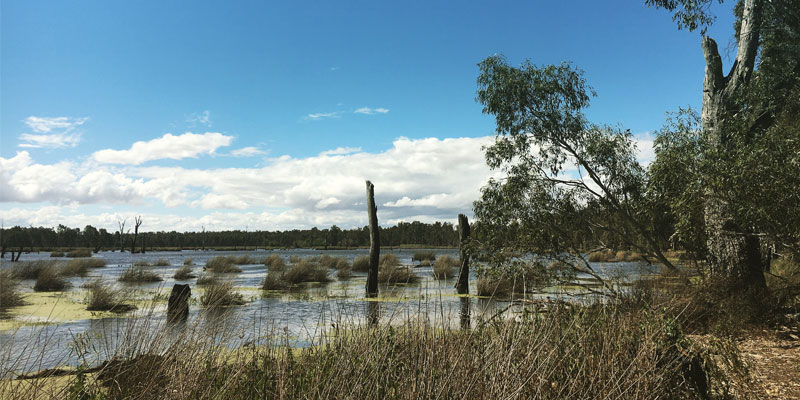
Accessing Water to Meet Aboriginal Economic Development Needs
The Cultural Water for Cultural Economies project is designed to identify specific law and policy pathways to increase water access for Traditional Owners and First Nations across Victoria, and to support their use of this water for economic development in accordance with their laws and cultural protocols. The project is a partnership between the Murray Lower Darling Rivers Indigenous Nations (MLDRIN) and University of Melbourne, as well as representatives from 20 Traditional Owner organisations and First Nations across Victoria. Project ID: 1954101.1. (2018-2021).

Legal Dimension of Climate Change
The project aims to develop an analysis of climate risk as a critical concept in interdisciplinary research that is relevant to transformations in climate change law, regulation and policy in the international and national spheres. This project will undertake a regulatory network theory analysis of the manner in which climate risk has diffused across legal fields and models in a situation of weak international and national policy orientation on climate change and energy regulation. Funded by Melbourne Sustainable Society Institute (MSSI), (2018 - current).
A report on sustainable finance is in progress.

EME Support/ evaluation of ClientEarth Phase 2
This research evaluates the impact of litigation brought by ClientEarth under its Strategic Climate Litigation Program for Europe and its work on environmental governance in China. This project is a contract research funded by Children’s Investment Fund Foundation.
Regulating Cumulative Environmental Effects: Designing Global Best Practice
Led by Dr Rebecca Nelson, this project aims to analyse and evaluate laws regulating cumulative environmental effects in the United States of America, European Union, Canada and Australia. The outcomes will increase the capacity of regulators, industry, and the community to better manage common challenges in managing environmental effects and reducing environmental harms. Funded by Discovery Early Career Research Awad (DECRA), Australian Research Council, DE180101154, (2018-2023).

The Potential and Limits of International Adjudication
This project aims to analyse the place of adjudication in international affairs, using a case study of Australia’s extensive engagement with the International Court of Justice. Led by Professor Margaret Young and Professor Hillary Charlesworth, the project will provide a detailed account of the context and impact of the cases in which Australia has been involved before the Court, and will assess the complex roles that adjudication and advisory opinions can play in the resolution of international disputes more generally. Funded by Australian Research Council Discovery Project, DP180101318, (2018 - 2021).

Counter Narratives: Climate Change Law and Indigenous Rights
Counter Narratives: Climate Change Law and Indigenous Rights. This project is focused on encounters between juridical, political and cultural narratives in the context of climate change. It contrasts the determinacy of rights and its institutions with a recuperation of obligation and an acknowledgement of multispecies entanglements.
Completed
Over a decade, CREEL academics and research staff developed a portfolio of externally-funded research projects, consultancies and engagement activities. The following provides an overview of the main activities– many of which were the platform for recent CREEL research projects and publications.
2020
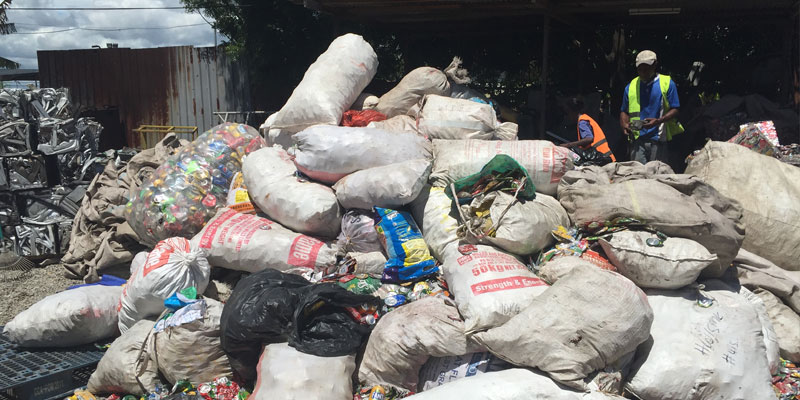
The PacWastePlus Waste Legislative Review
The project reviewed waste management in 14 Pacific region countries and Timor-Leste. The reports identified existing waste laws and those in the pipeline. The details progress made by many Pacific countries on waste management laws and institution, challenges in implementation, potential solutions for each countries as well as areas that could benefit from improved national waste facilities, better cooperation across the region, or the involvement of non-government organisations.
The team comprised of Professor Jacqueline Peel, Professor Lee Godden, Dr Alice Palmer, Associate Professor Laura Lee-Innes (Monash University) and Rebekkah Markey-Tower (Research Assistant).
Funded by European Union through its Economic Development Fund and the Australian Government through the Secretariat of the Pacific Regional Environment Programme (SPREP), (2019-2020).
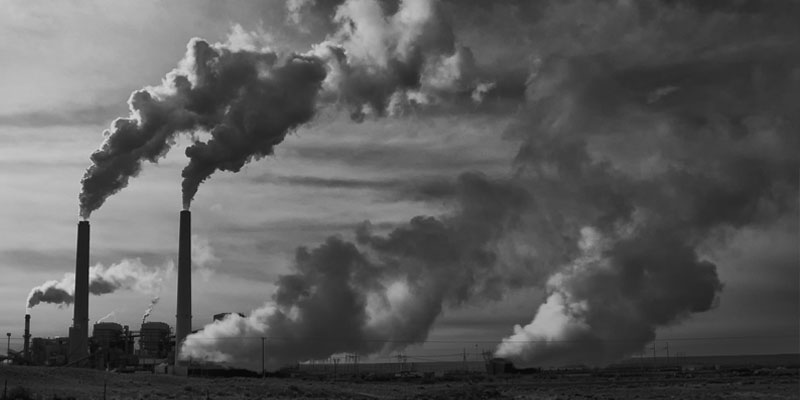
Corporate Energy Transition
This project explores how corporate and securities law mechanisms can be used to incentivise private sector transition to clean energy sources and business practices.
Funded by Australian Research Council, Discovery Project DP160100255, (2016-2020)
2019

Regulating food labels: The case of free range food products in Australia
This project is investigating the regulation of free range labelling in Australia for eggs, chicken meat and pig meat.
Led by Professor Christine Parker of Melbourne Law School, in collaboration with Dr Gyorgy Scrinis and Dr Rachel Carey of the Food Policy Research Group in the Faculty of Veterinary and Agricultural Sciences, this project was funded by ARC Discovery Grant DP150102168.

Strategic Litigation on Climate in Europe
Strategic litigation and shareholder/investor activism to advance outcomes on climate change policy are growing globally. Over the last decade, many court cases have been brought in countries such as the United States and Australia to try to stop greenhouse gas emissions from coal; to improve air quality; and to reduce the carbon footprint of corporations. There have also been efforts to spur corporate action in these jurisdictions through shareholder activism, improved company disclosure practices and a growing divestment movement. However, in contrast, strategic climate litigation and activism in Europe has been narrower in focus and less prevalent.
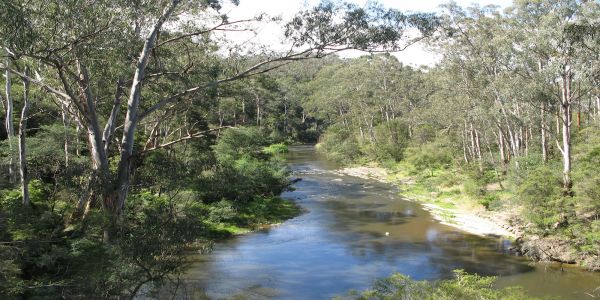
Options for Long-term Security for Groundwater-dependent Ecosystems
Options for Long-Term Protection of Groundwater-Dependent Ecosystems and Surface Waters in the Gerangamete and Gellibrand Groundwater Management Areas (2019). A report to the Land and Water Resources Otway Catchment Landcare group, 30pp. This project was led by Associate Professor Rebecca Nelson and funded by Land and Water Resources Otway Catchment ID#15528
2018
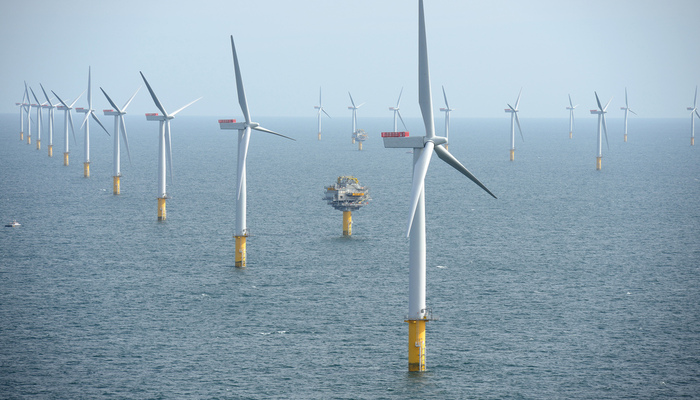
Transition to a Clean Energy Future: the Role of Climate Change Litigation in Shaping our Regulatory Path
Climate change is an urgent environmental problem requiring a rapid transition to sources of clean energy. Yet governments - both nationally and internationally - have moved only slowly and timidly to put in place the necessary long-term regulatory steps to reduce greenhouse gas emissions. In this setting environmental advocates have looked increasingly to courts, mounting ambitious climate litigation in an effort to block fossil fuel use and force consideration of climate change impacts in planning decisions. This innovative project analysed the capacity of climate litigation in key fossil-fuel producing countries, Australia and the US, to influence regulation so contributing to putting these nations on the path to a clean energy future. This project was supported by the ARC funding project DP 130100500 between 2013-2018.
National Cultural Flows Project (component 5)
The project aimed to help embed Aboriginal water allocations in Australia's water management framework. The final report, Cultural flows: reforming water law and policy, has been developed to describe different ways that the Echuca Declaration concept of cultural flows can be implemented using law and policy. It builds on earlier work about cultural flows to show how First Nations' best values about water can be translated into laws and policies to make change happen on the ground. Funding for the project has been generously provided by the Murray-Darling Basin Authority, the Commonwealth Environmental Water Office, the National Water Commission and the Department of Families, Housing, Comunity Services and Indigenous Affairs.
The project was led by Professor Lee Godden, Associate Professor Rebecca Nelson and Dr Bruce Lindsay, between 2017-2018.
2017

Climate Change Law and Mitigation: Forest Carbon Sequestration and Indigenous and Local Community Rights
CREEL researchers have been investigating the potential impact of the global greenhouse gas mitigation scheme, Reduced Emissions from Deforestation and Degradation (REDD+), on indigenous and local community rights. This project has involved fieldwork in REDD+ recipient countries as well as with international organisations (the World Bank, the United Nations Development Program (UNDP), the United Nations Environment Program (UNEP) and the United Nations Food and Agriculture Organisation (FAO)) and civil society groups. This project is funded by the Australia Research Centre, Discovery Project (DP 110100259). The project examines the impact of climate change law and mitigation on Indigenous peoples and local forest communities in Australia, India and Malaysia. It examines the United Nations - Reducing Emissions from Deforestation and Forest Degradation scheme which gives credits for carbon sequestration in forests thus providing financial incentives to avoid deforestation for communities in sensitive ecosystems.

Land use planning, pipelines and the urban fringe
Brad Jessup, ‘Land use planning, pipelines and the urban fringe’ (2017) (2011-2012). Brad received a grant ($45,000) from the Energy Pipelines CRC to research the planning law and policy influence on urban development on the fringe, which is increasingly encroaching on pipeline infrastructure. This applied aspect of the project was undertaken in 2011 and completed in early 2012.
The next stage of the research project has been to situate this research within concepts of risk, geography and resilience. In 2017 Brad presented and published research on the role of planning laws and pipeline regulation to materialise and informate otherwise invisible legal geographies.
2015
Transition to a Clean Energy Future: The Role of Climate Change Litigation in Shaping our Regulatory Path
As the world seeks a clean energy future, courts in Australia and other key fossil fuel-producing nations, like the United States, are increasingly hearing cases seeking to block the use of coal due to its climate change effects. This project critically assesses the role such climate litigation plays in generating regulatory momentum to address climate change. Led by Professor Jacqueline Peel and Professor Hari Osofsky. (ARC Discovery Project 2013-2015). DP130100500
2014
Governance Models for Adaptation and Natural Disaster Risk Management: Legal, Regulatory, Institutional and Financial Assessment
Lee Godden, Jacqueline Peel, Francine Rochford (La Trobe University), Rachel Carter (La Trobe University), Jude Wallace (Melbourne School of Engineering), John Handmer (RMIT). Research fellows: Lisa Caripis and Tim Baxter. Funded by Victorian Centre Climate Change Adaptation Research Grant, (2012-2014).
As the world seeks a clean energy future, courts in Australia and other key fossil fuel-producing nations, like the United States, are increasingly hearing cases seeking to block the use of coal due to its climate change effects. This project critically assesses the role such climate litigation plays in generating regulatory momentum to address climate change. Led by Professor Jacqueline Peel and Professor Hari Osofsky. (ARC Discovery Project 2013-2015). DP130100500
2012
Land use planning, pipelines and the urban fringe
Brad Jessup received a grant ($45,000) from the Energy Pipelines CRC to research the planning law and policy influence on urban development on the fringe, which is increasingly encroaching on pipeline infrastructure. This applied aspect of the project was undertaken in 2011 and completed in early 2012.
Poverty in the Midst of Plenty: Economic Empowerment, Wealth Creation and Institutional Reform for Sustainable Indigenous and Local Communities
The project researches government, private sector and indigenous initiatives enhancing indigenous economic development and well-being outcomes. It provides culturally relevant data to analyse the flow of benefits (incl. employment) from the resources sector to indigenous peoples; links between government policy/services for indigenous well-being; and investigates legal forms (land title, securities, taxation law/incentives) for indigenous economic empowerment. The project strengthens the socio-economic fabric of indigenous communities benefiting the nation, indigenous peoples in commercial engagements, corporations seeking a 'licence to operate' and government agencies responsible for indigenous economic/social development.
M. Langton, Maureen Tehan, M Stewart, Lee Godden, CS O'Faircheallaigh, J Taylor, LM Strelein 'Poverty in the Midst of Plenty: Economic Empowerment, Wealth Creation and Institutional Reform for Sustainable Indigenous and Local Communities'. Australian Research Council Linkage Project, LP0990125, (2009-2012).
As the world seeks a clean energy future, courts in Australia and other key fossil fuel-producing nations, like the United States, are increasingly hearing cases seeking to block the use of coal due to its climate change effects. This project critically assesses the role such climate litigation plays in generating regulatory momentum to address climate change. Led by Professor Jacqueline Peel and Professor Hari Osofsky. (ARC Discovery Project 2013-2015). DP130100500
2011
Responding to Climate Change: Australia's Environmental Law and Regulatory Framework
Climate change presents Australia with unparalleled sustainability challenges. Impacts on environmental resources will require an integrated legal and socio-economic regulatory response. An effective and adaptable environmental law framework will be crucial for adaptation and mitigation measures. The project addresses this need by undertaking a comprehensive, interdisciplinary evaluation of Australia's legal capacity to respond to climate change, so identifying appropriate governance structures and regulatory tools. This analysis is vital to positioning Australian environmental law to manage climate change impacts and associated social, ecological and economic costs and to ensure compliance with international obligations. ARC Discovery Project, DP0987850, (2009-2011).
As the world seeks a clean energy future, courts in Australia and other key fossil fuel-producing nations, like the United States, are increasingly hearing cases seeking to block the use of coal due to its climate change effects. This project critically assesses the role such climate litigation plays in generating regulatory momentum to address climate change. Led by Professor Jacqueline Peel and Professor Hari Osofsky. (ARC Discovery Project 2013-2015). DP130100500
2005-2009
Californian Climate Change Law - Lessons for Australia
Professor Jacqueline Peel
United States Studies Centre Research Grant, 2009.
As the world seeks a clean energy future, courts in Australia and other key fossil fuel-producing nations, like the United States, are increasingly hearing cases seeking to block the use of coal due to its climate change effects. This project critically assesses the role such climate litigation plays in generating regulatory momentum to address climate change. Led by Professor Jacqueline Peel and Professor Hari Osofsky. (ARC Discovery Project 2013-2015). DP130100500
Small Grants Scheme Funding
Professor Jacqueline Peel and Professor Lee Godden, Small Grants Scheme funding (2004-2007) from Melbourne Law School for approximately $20,000 over 4 years to pursue joint projects in the areas of quarantine and international trade law; risk management; invasive species; and inter-disciplinary approaches in environmental law. These projects have been used as pilot studies to generate an initial research base and supporting publications to allow more in-depth research supported by ARC funding.
As the world seeks a clean energy future, courts in Australia and other key fossil fuel-producing nations, like the United States, are increasingly hearing cases seeking to block the use of coal due to its climate change effects. This project critically assesses the role such climate litigation plays in generating regulatory momentum to address climate change. Led by Professor Jacqueline Peel and Professor Hari Osofsky. (ARC Discovery Project 2013-2015). DP130100500
Developing a Governance and Regulation Framework for Addressing Issues of Climate Change
Professor Lee Godden and Professor Jacqueline Peel
Faculty Small Grants Scheme, 2007.
Managing Competing Claims to Land and Resources - Does Property Law Promote Sustainability?
Professor Maureen Tehan and Professor Lee Godden
ARC Discovery Project (2005), DP0558604.
A key factor in promoting environmental sustainability is the resolution of competing claims to land and water resources in rural Australia. This project would examine the effectiveness of property law as the major model for resolving conflicts and regulating land and resources. Through overseas and Australian comparative research the project would provide an analysis of alternative legal and institutional models of relevance to land and resource management authorities, industry and community groups. It would support the resolution of competing claims through an examination of legal models, which may more effectively promote environmental sustainability.
The Implementation of Agreements and Treaties with Indigenous and Local Peoples in Postcolonial States
Professor Marcia Langton, L. Palmer, Professor Maureen Tehan and Professor Lee Godden
ARC Linkage grant (2005). LP0561857.
The Implementation of Agreements and Treaties with Indigenous and Local Peoples in Postcolonial States. This project involves a comparative study by an interdisciplinary team of the implementation of agreements with Indigenous and local peoples across selected Australian and international jurisdictions. Agreement making is now a major policy tool for governments, industry and Indigenous peoples. Using case studies, this project will address the critical need for research on implementation of agreements and the factors promoting long-term sustainability. This will involve examination of legal, governance, economic development, land/heritage, and environmental management issues that arise in agreement implementation and investigation of the features of agreements that enhance social, cultural and economic outcomes for Indigenous communities.