Stateless people do not have a nationality, which means they are not recognised as ‘belonging’ to any country. Around the world, millions of people are stateless, leaving them vulnerable to discrimination and exploitation.
We are stateless – we have no country. This is very hard. In our home country we had nothing, our life was very difficult. We couldn’t do anything, go anywhere, choose our path.Nur, stateless Rohingya mother of four
The Melbourne Law School’s Peter McMullin Centre on Statelessness was established in 2018 by a generous philanthropic gift from Peter and Ruth McMullin and strong support from the University of Melbourne.
The Centre undertakes research, teaching and engagement activities aimed at reducing statelessness and protecting the rights of stateless people in Australia, the Asia Pacific region, and as appropriate more broadly.
Explore our programs and activities
Featured content
Statelessness resources
Find out more about the issue of statelessness in Australia and overseas using our online resources.
-
An Overview of Statelessness
What does it mean to be stateless? What is nationality? What are the impacts of statelessness and how many people are stateless worldwide? We answer these questions and more.
-
Factsheets
Explore our collection of factsheets to learn more about statelessness and related issues.
-
Understanding Statelessness in Australia
The report 'Understanding Statelessness in Australia' documents the findings and recommendations of the first comprehensive study of statelessness in Australia.
-
Global Caselaw Database on Statelessness
Explore the Global Caselaw Database for essential court decisions and legal precedents regarding statelessness and the right to a nationality.
-
The Oral Histories Project
People who have been stateless and are now citizens in Australia participate in a life history interview in which they talk about their experiences.
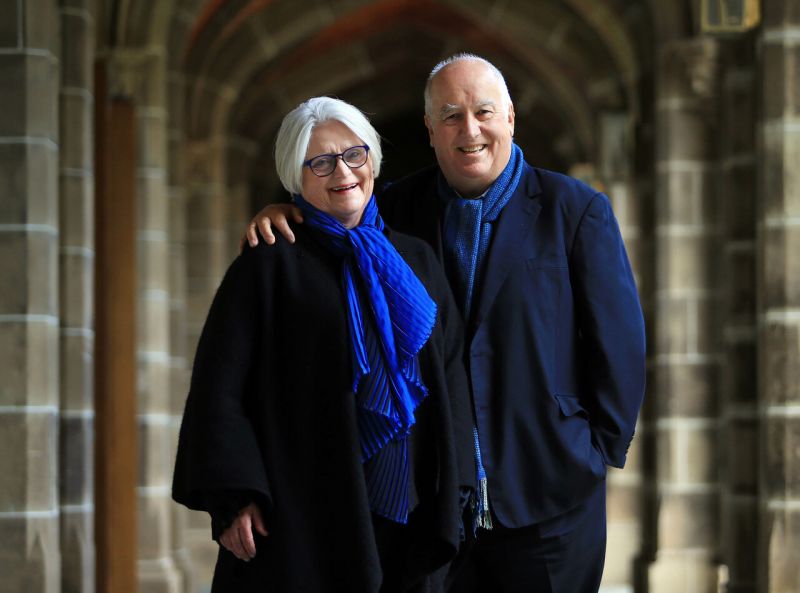
Statelessness is an area of growing importance in the world and very few people really know about it as an issue. Peter McMullin - AM